
The Bear Test for Better Feedback
I loved going to Chalk Hills Girl Scout Camp in the north woods of Wisconsin when I was growing up. There was just one small problem: I knew absolutely nothing about the outdoors.
Our family was not exactly the rugged wilderness type. We were more, “let’s enjoy nature briefly and then head inside where there is air conditioning” people.
When I started going to Chalk Hills, I had to learn everything from scratch: how to pack a backpack, cook over a camp stove, purify water, and survive several days without a hairdryer or decent snacks.
Talk about a learning curve.
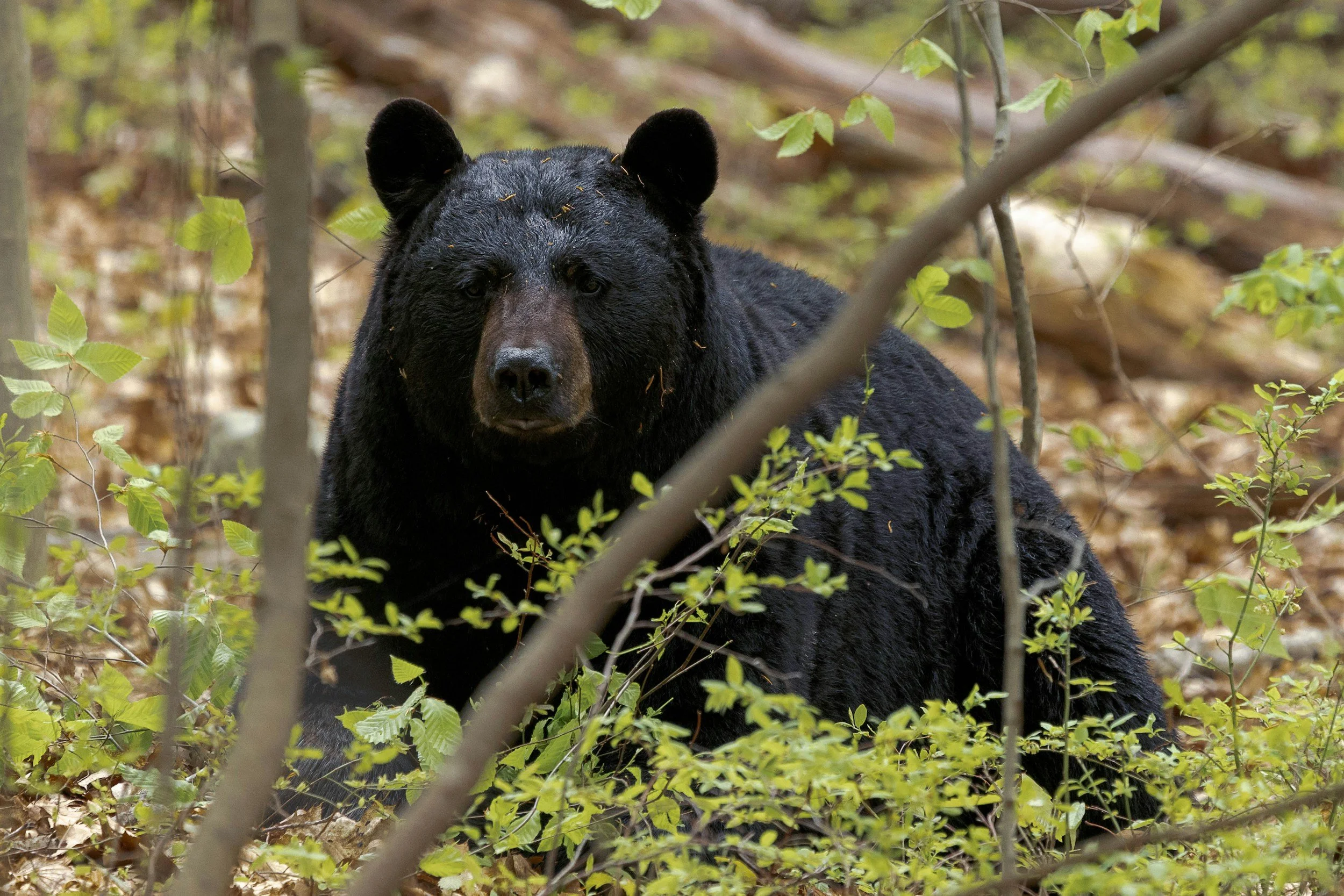
I went back several summers in a row, gradually taking longer and more difficult backpacking trips each year. One summer, we went to the Porcupine Mountains Wilderness State Park in Michigan’s Upper Peninsula, where we carried everything we needed for an entire week on our backs. Every night, we had to hoist our food high into the trees with ropes so the bears couldn’t get it.
Nothing motivates you to listen to feedback quite like the possibility of being mauled by a bear.
The interesting thing is that the camp counselors never stood there shouting, “Wrong!” while we fumbled with ropes and knots. They showed us exactly what to do differently:
“Tie it this way.”
“Pull from this angle.”
“Hang it higher.”
And they didn’t wait until the trip was over to say it. They gave us feedback in that moment. The feedback felt helpful, not threatening. That’s why good feedback works.
The best feedback doesn’t leave people feeling embarrassed or defeated. It gives them a clear path forward. Here are three ways to make feedback more helpful and more likely to actually land:
Be specific. Vague feedback creates confusion.
Focus on behavior. Observable actions invite improvement.
Balance encouragement with direction. Growth requires both.
Good feedback builds capability, not defensiveness. And occasionally, it keeps the bears out of your food.