
What Conversations and Chiropractors Have in Common
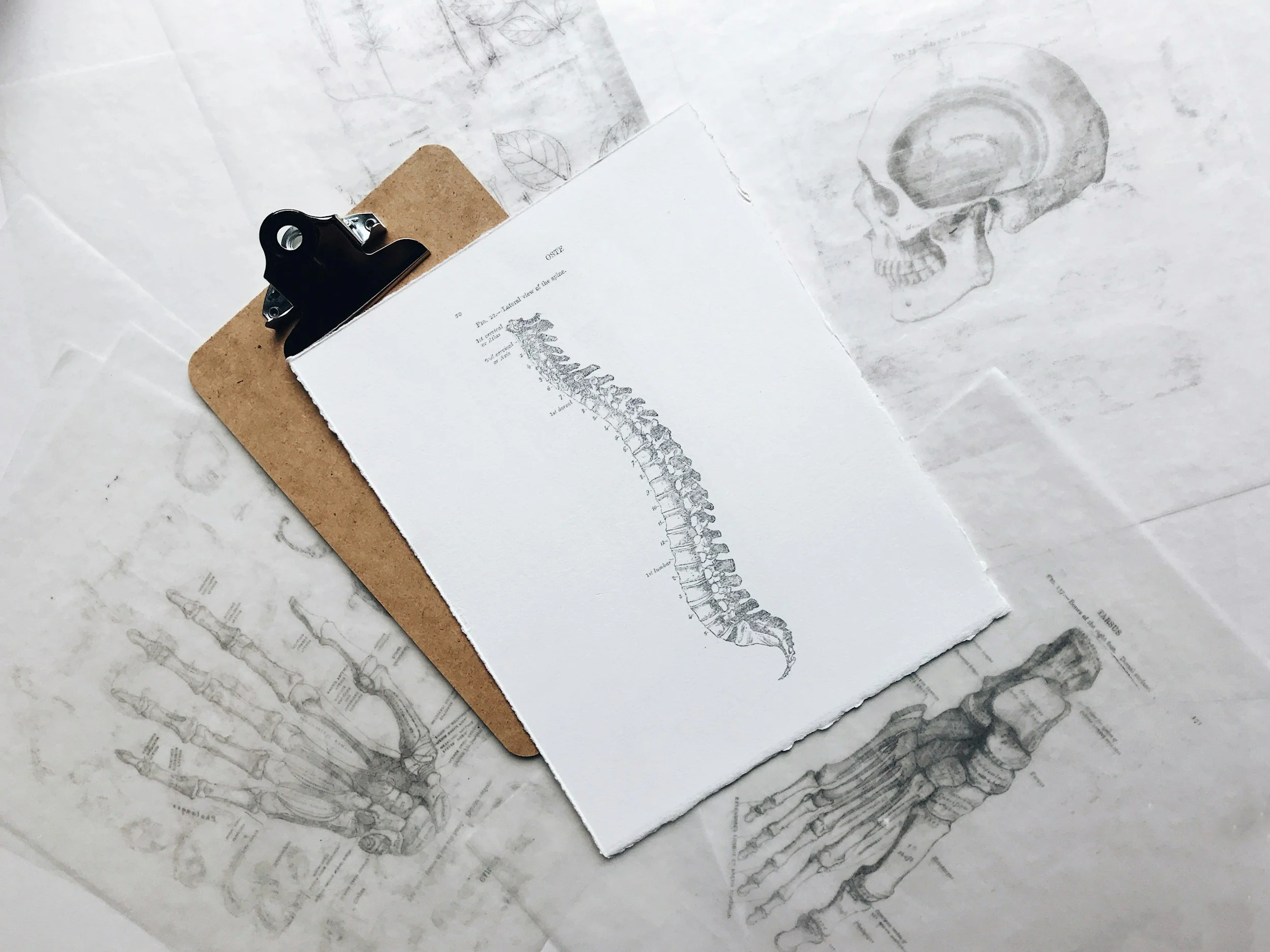
Last week when I was running, something felt…off. My hip was sore, my stride felt uneven, and I thought, “Is this a running issue or just a ‘welcome to getting older’ moment?”
Then it hit me: I hadn’t been to the chiropractor in a few weeks. So, I went in to see Dr. Myler, got an adjustment, and now everything feels better. Same body, same routine—just back in alignment.
This same idea shows up in our conversations more than we realize.
When you come home from work, ready to vent about your day, and the person you’re talking to tries to help by saying, “Why don’t you just…?” Suddenly, you’re not just frustrated about work—you’re frustrated about them.
Or you’re in a meeting at work, and a team member is describing a frustrating client situation. Before they finish, someone jumps in with, “Why don’t you just send a follow-up and loop your manager in?” And just like that, the conversation goes sideways.
That’s misalignment.
The good news? This is fixable, with a small adjustment: Get aligned on the kind of conversation you are having. Here’s how:
First, identify the conversation type. Is this practical (solve a problem), emotional (process feelings), or social (build connection)?
Next, match it before you move forward. If someone is venting, don’t fix it—yet. Say: “That sounds frustrating. Tell me more.” Once people feel understood, they’re open to solutions.
Finally, close with clarity. Summarize what was decided, who owns what, and by when. Otherwise, everyone leaves with a different version of reality.
Better conversations start with better alignment. Where might misalignment be slowing your team right now?