
Why Great Leaders Adapt Their Communication Style
Last week, I facilitated a session titled, “Navigating the Transition to Leadership” at the Community Bankers Association of Georgia LEAD On Conference, and I also had a chance to participate in “Leading in Multigenerational Spaces” by Jason Estep of the University of Georgia’s J.W. Fanning Institute for Leadership Development.
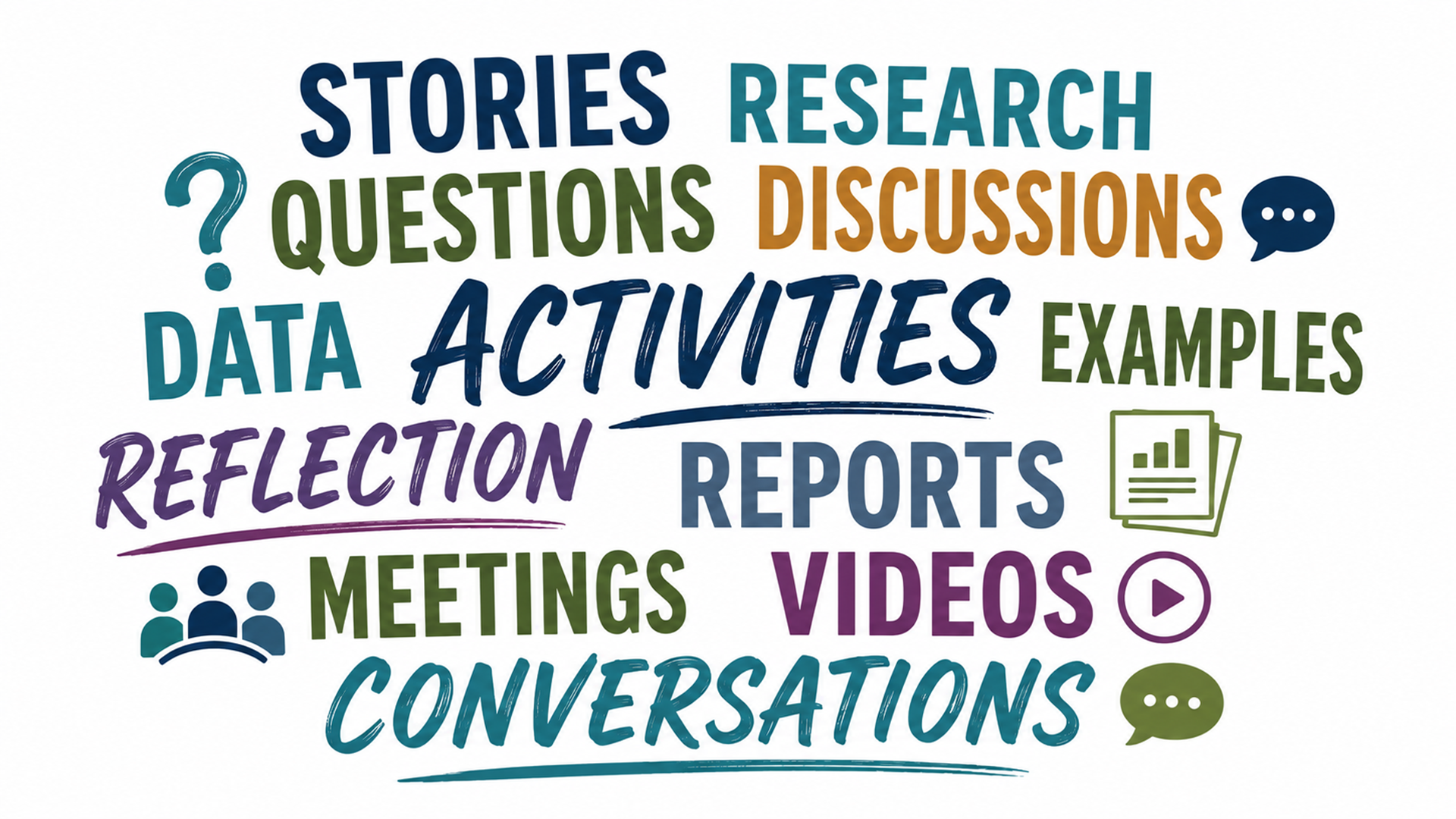
Jason didn't rely on a single teaching method. He shared stories, presented research, asked questions, facilitated discussion, and incorporated activities that encouraged participants to engage with the material. The variety kept the audience involved and made the content accessible to people with different learning preferences.
It was a good reminder that people absorb information in different ways.
Some people want data. Others want examples. Some learn best through discussion, while others need time to reflect before they process a new idea. Some won't believe it until they can try it themselves. The same reality exists in our workplaces. Employees bring different communication preferences and experiences to every conversation.
Leaders who understand these differences are often more effective because they can connect with a wider range of people. When possible, they adjust their approach to fit the audience. Great leaders know that one-size-fits-all communication rarely fits anyone particularly well.
At the same time, adaptability is a two-way street. As employees and leaders, we all need the ability to learn and receive information in different formats. Some days the information arrives in a report. Other days it comes through a meeting, a video, or a conversation in the hallway. Successful professionals develop the flexibility to work with whatever format best serves the situation.
Differences do not have to divide us. Instead, effective leaders do three things:
Recognize preferences. People process information differently.
Personalize delivery when possible. Meet others where they are.
Focus on shared goals. Purpose bridges style gaps.
When leaders become more adaptable, they expand their ability to connect, influence, and lead. Communication works best when people with different styles can understand one another and move toward a common goal.
Adaptability strengthens leadership reach.